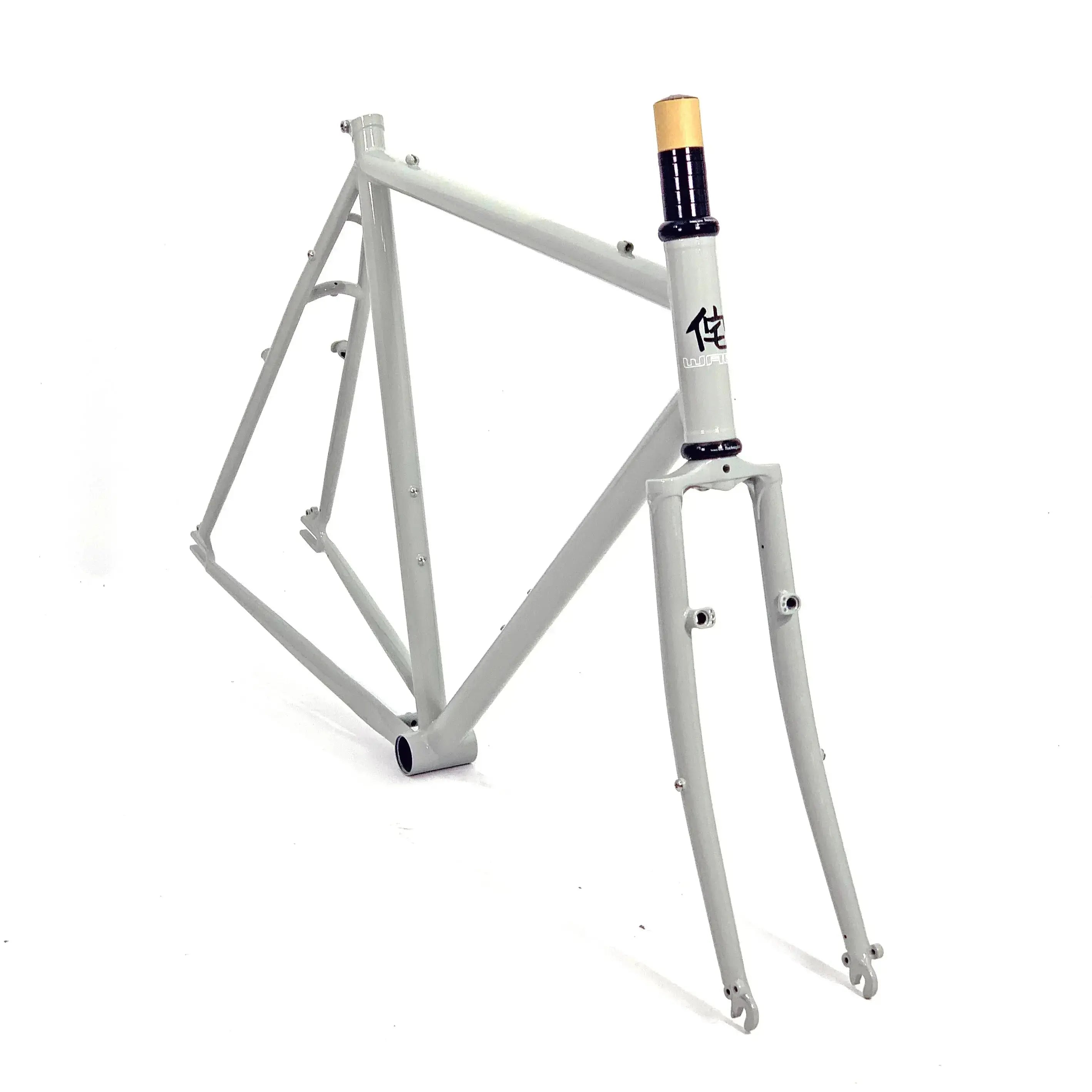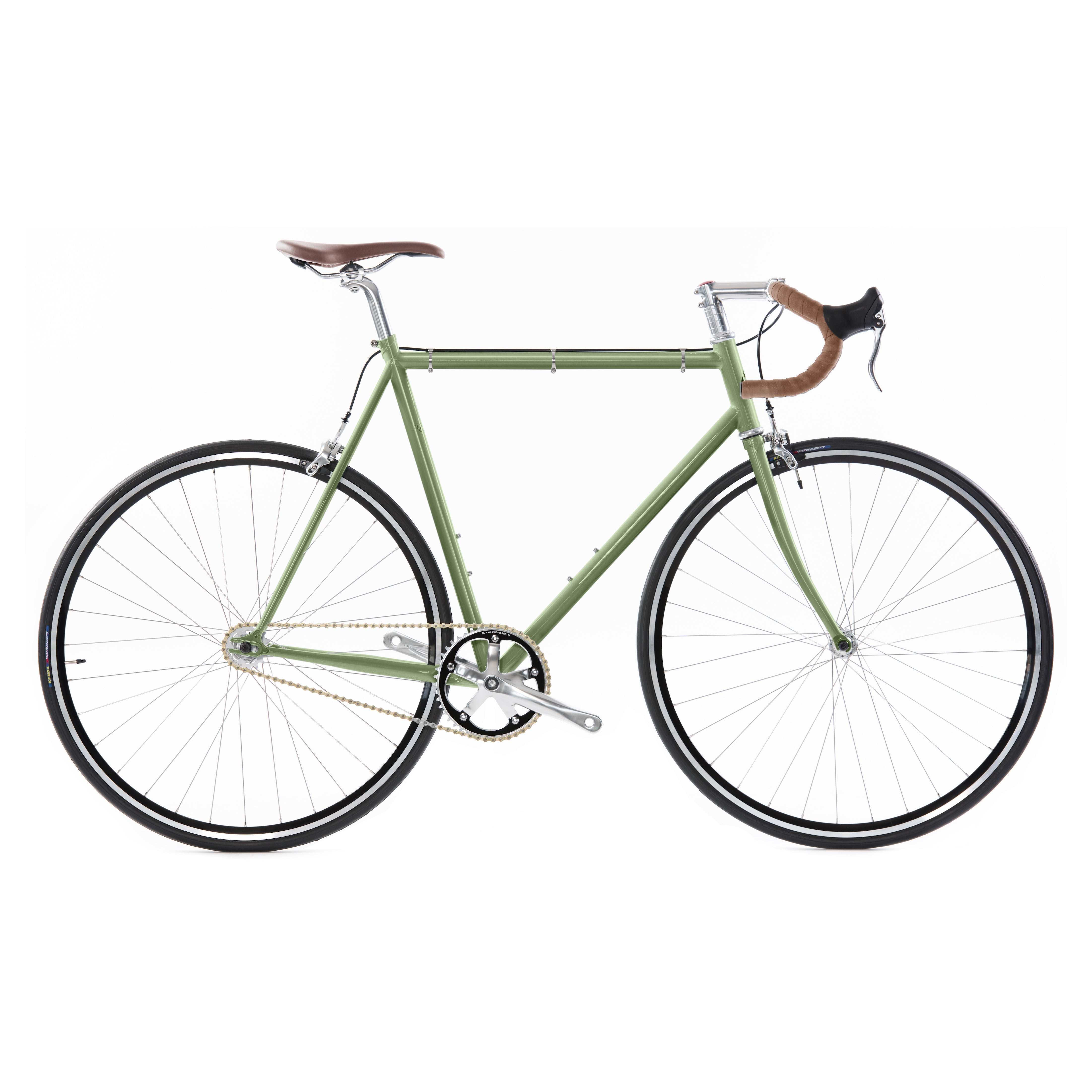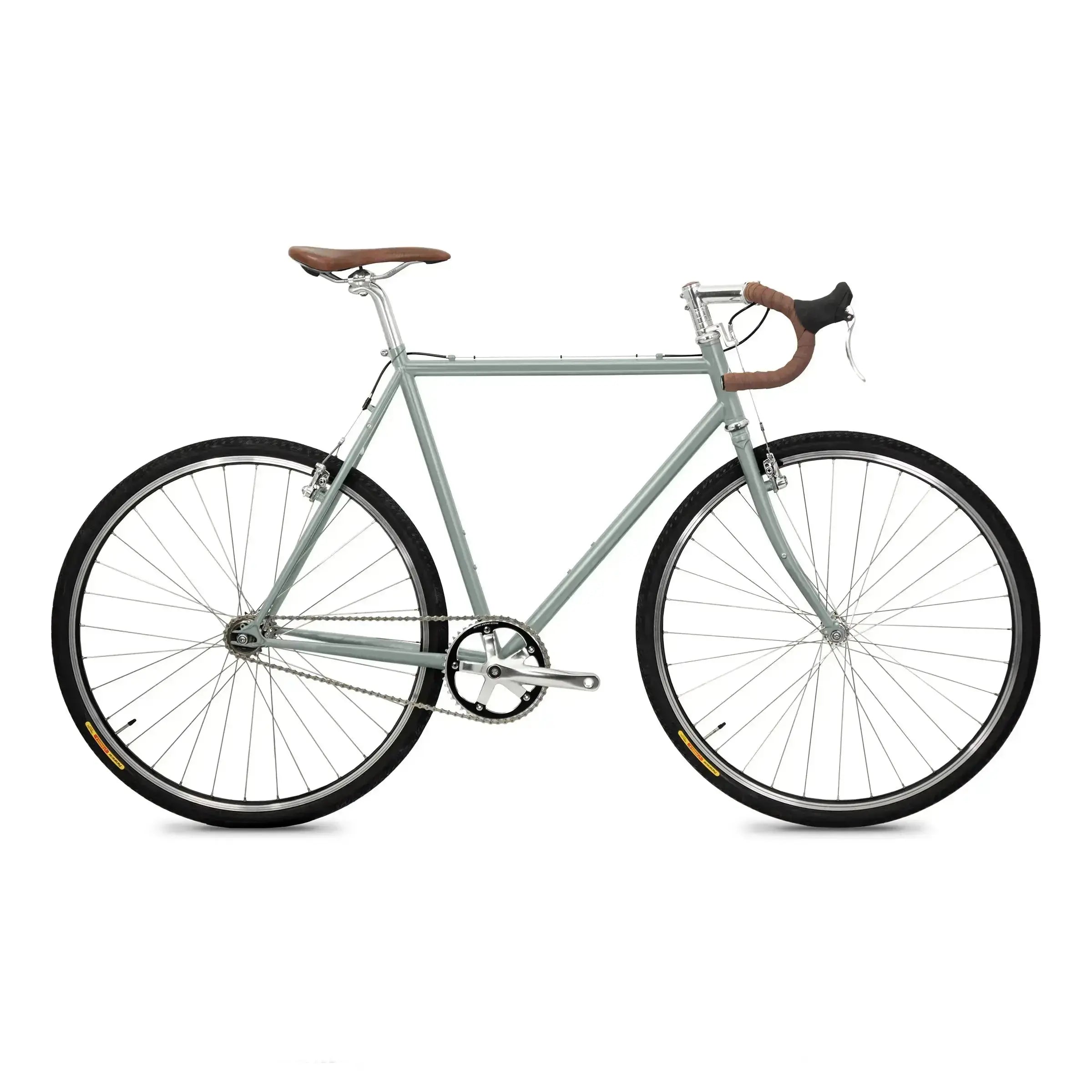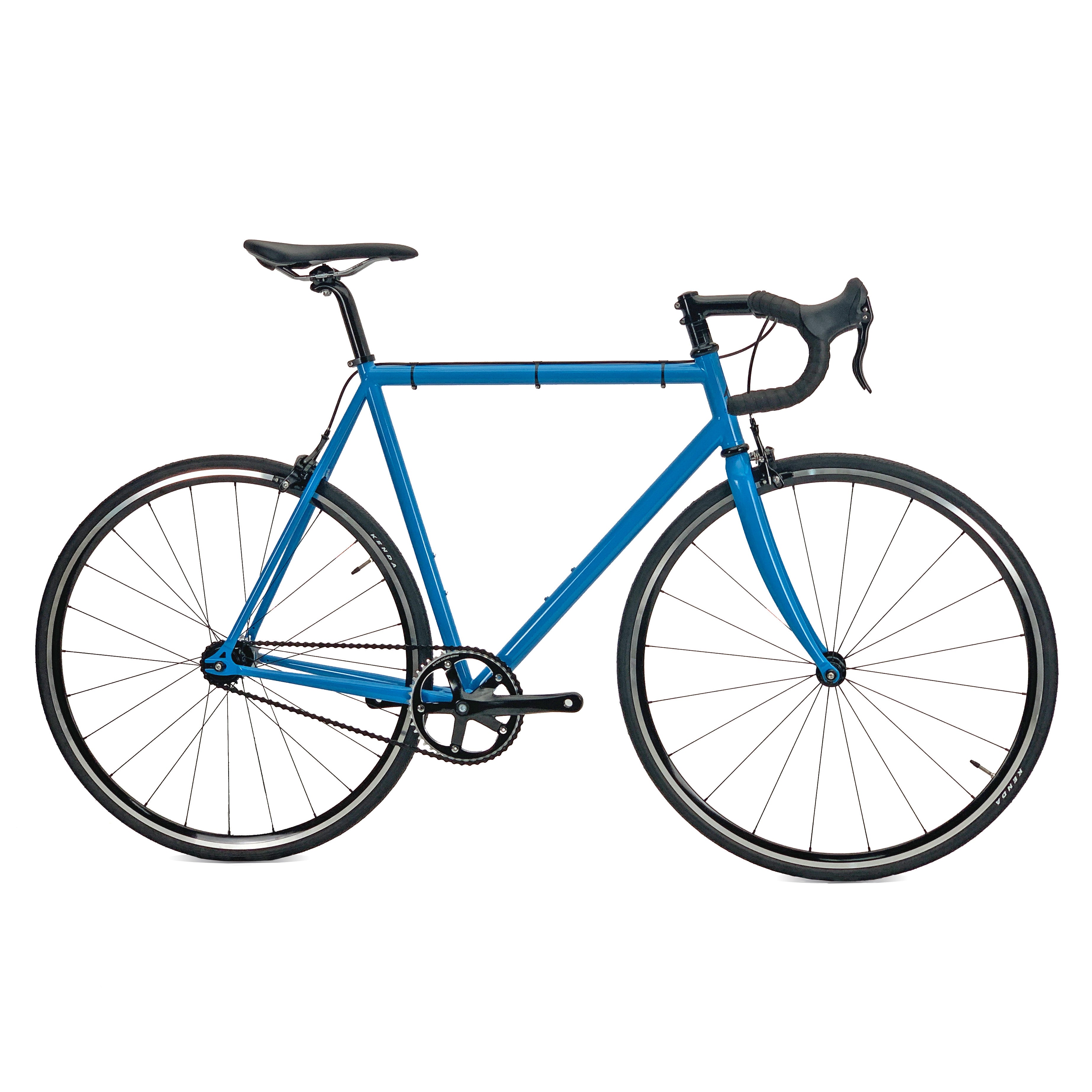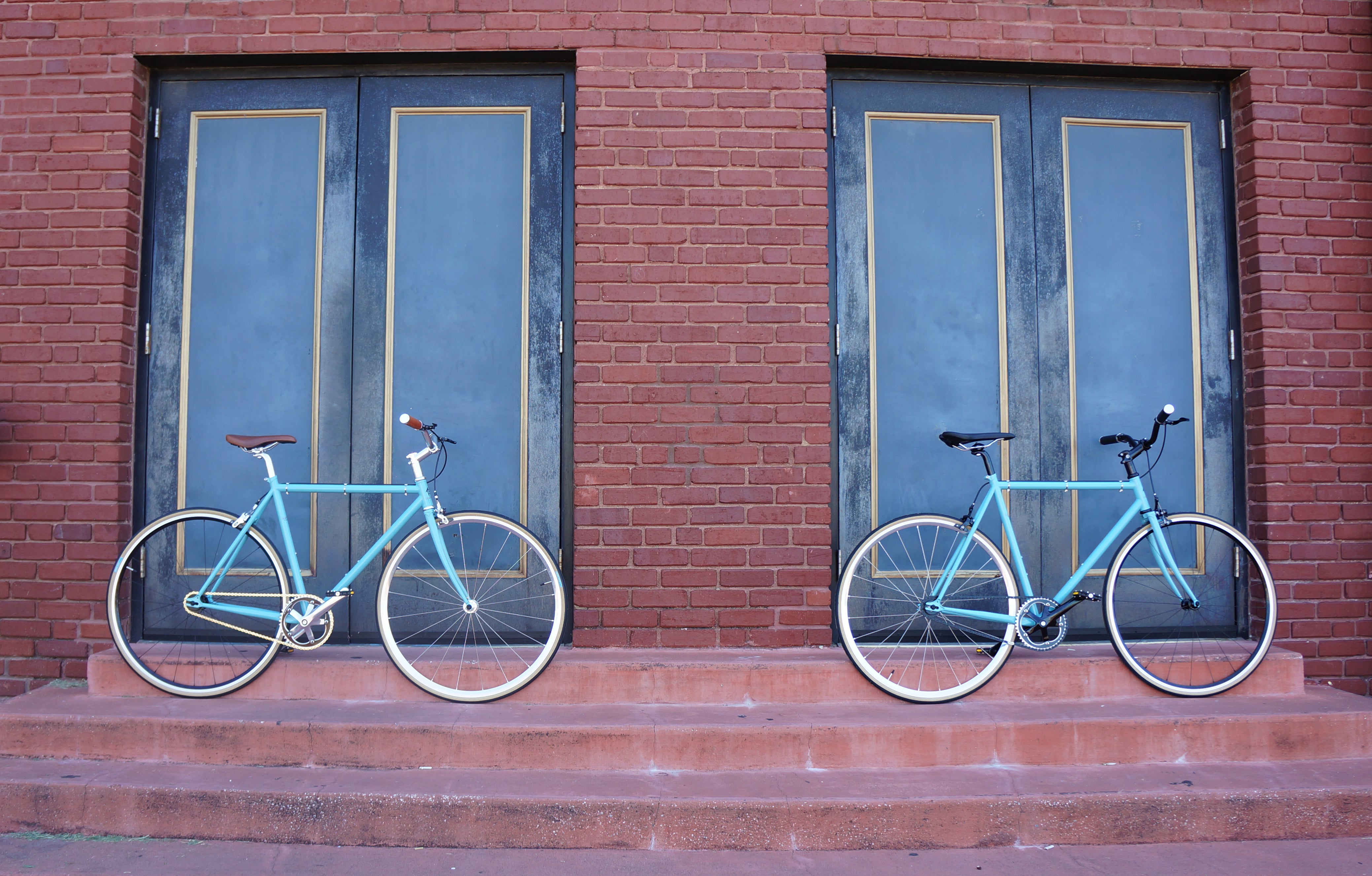
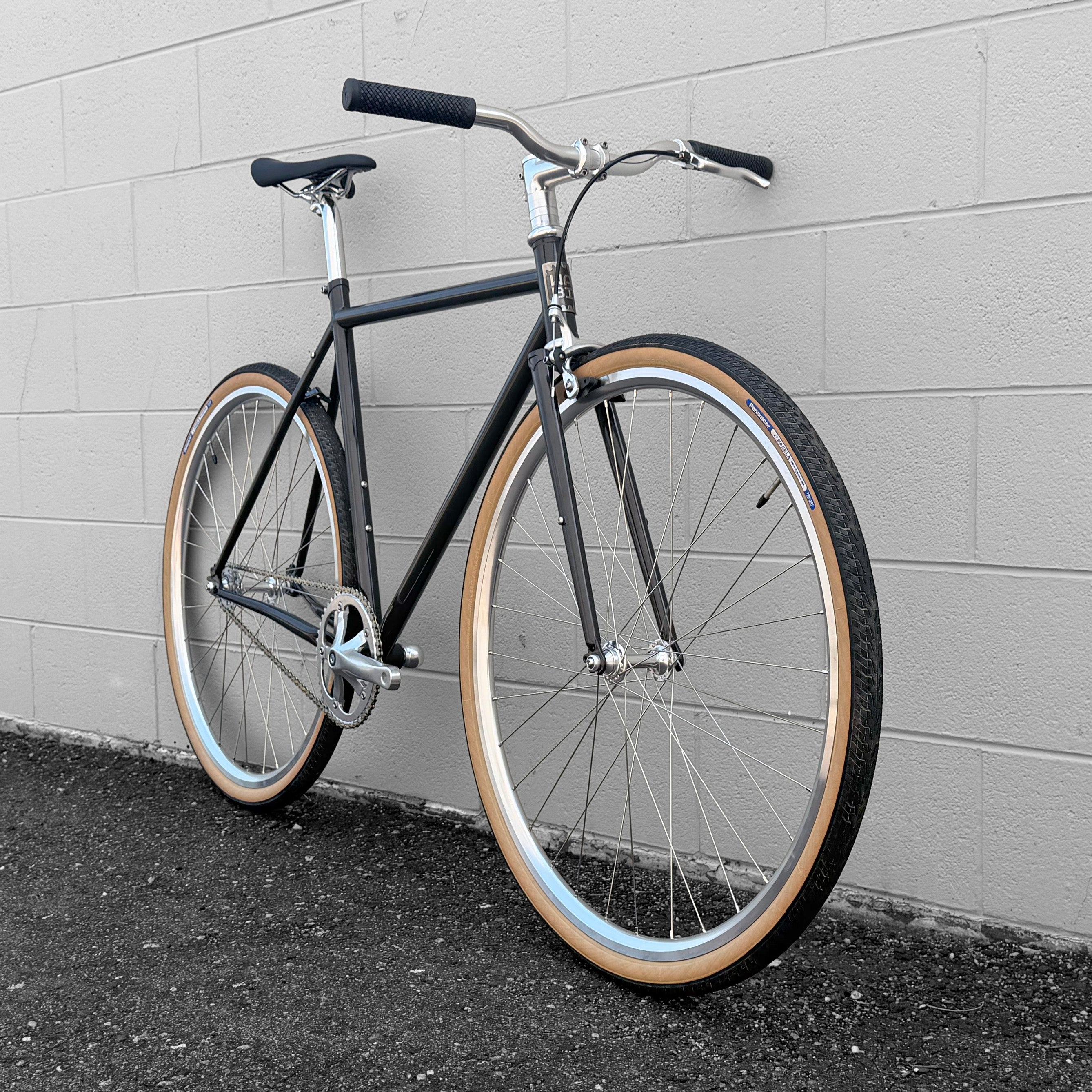
Amazingly light, the Wabi Lightning is built using a proprietary tubing, SC7- a 7000 series aluminum with the element scandium added. This produces a frame material that has 50% more tensile strength than 6061, and 28.5% more than 7005. The yield strength is improved by 64% and 32%, respectively. What this translates into is thinner, lighter tubes and a more resilient ride than typical aluminum frames. Fatigue strength is also higher, for a more durable frame. The SC7 frame is 30% lighter than an equivalent strength 7005 alu frame. Each frame is hand tig welded, aligned, heat treated for strength after being built and aligned again.
There are two critical aspects of frame design- cockpit design (rider fit- where the rider connects to the bike and where these points are in relation to each other) and steering/handling. Our frame design is done here, in-house, to ensure the desired characteristics. The seat tube angle, top tube length and stem height and length are the key elements to consider for correct rider fit. Then, for handling, stability and agility are both considered- too stable and the steering is heavy; too quick and the bike is twitchy, more difficult to control, especially at slower speeds. We designed the Lightning using traditional road racing geometry (for more info on our frame and wheel design philosophies, click here).
Samples are then built for stress testing on a machine. We build to the most rigid standard, the EN, the current European standard. This is your assurance of the quality and structural integrity of each Wabi Cycles frame.
The combination of tubing technology, frame design and craftmanship- level hand tig welding result in a truly exceptional frame- strong, ultra light and a pleasure to ride.
A word on fit. There is no one way to nail correct fit on the first try. If you've been riding a long time, you probably know what you need, from the dimensions on an existing bike (see our fit guide page for more info).
One word of caution about positioning adjustments- general wisdom is to not radically change seat height, to avoid knee problems. This is more important the more you ride. So, try to get as close to right as you can initially on seat height and then modify by 3 or 4mm as needed.
I've had many years of experience in fitting people to bicycles, both in person and long distance, so if you have any questions as to what frame size you should get, or other dimensional questions, contact me and I'll be glad to help you.
* ST measured from ctr of BB to ctr of TT See diagram below on how this is measured